Repeated Trial and Error
Changing brands without understanding the equipment condition wastes time and maintenance resources.
Oil Analysis & Fluid Management
From single-sample screening to trend monitoring and engineering interpretation, CFI helps turn oil data into maintenance, purchasing and risk decisions.
Condition-based decision workflow
Conceptual workflow only: this diagram explains how evidence supports a decision. It is not an actual customer test report or laboratory trend chart.
Common business problems
Changing brands without understanding the equipment condition wastes time and maintenance resources.
Calendar-based replacement can be too early, too late or unrelated to the actual degradation curve.
Noise, alarms or performance loss may involve oil degradation, contamination or a mechanical issue.
Companies need reliable direction without building a complete analytical operation themselves.
Four service levels
The final test package depends on sample type, equipment, suspected condition, available history and the required report status.
Single or short-term samples for incoming-oil checks, purchasing confirmation or initial condition review.
Fixed-interval sampling to understand direction, oil-change timing and early warning signals.
Engineering interpretation that combines data with equipment and operating conditions.
Special operating conditions, product analysis, failure investigation or development support.
Test capability map
Individual methods, laboratory location and report format are confirmed during project review.
Kinematic viscosity at 40°C / 100°C, viscosity index, flash point, pour point, density, appearance and color.
Moisture, particle cleanliness, insolubles, coolant ingress indicators and fuel dilution where applicable.
Acid number, base number, oxidation, nitration, sulfation, additive condition and trend assessment.
Wear metals, ferrous debris, wear trends and component-source interpretation by agreed method.
Instruments on site
Some testing may be coordinated with qualified external laboratories. Accredited certification is provided only when it is in the agreed scope.
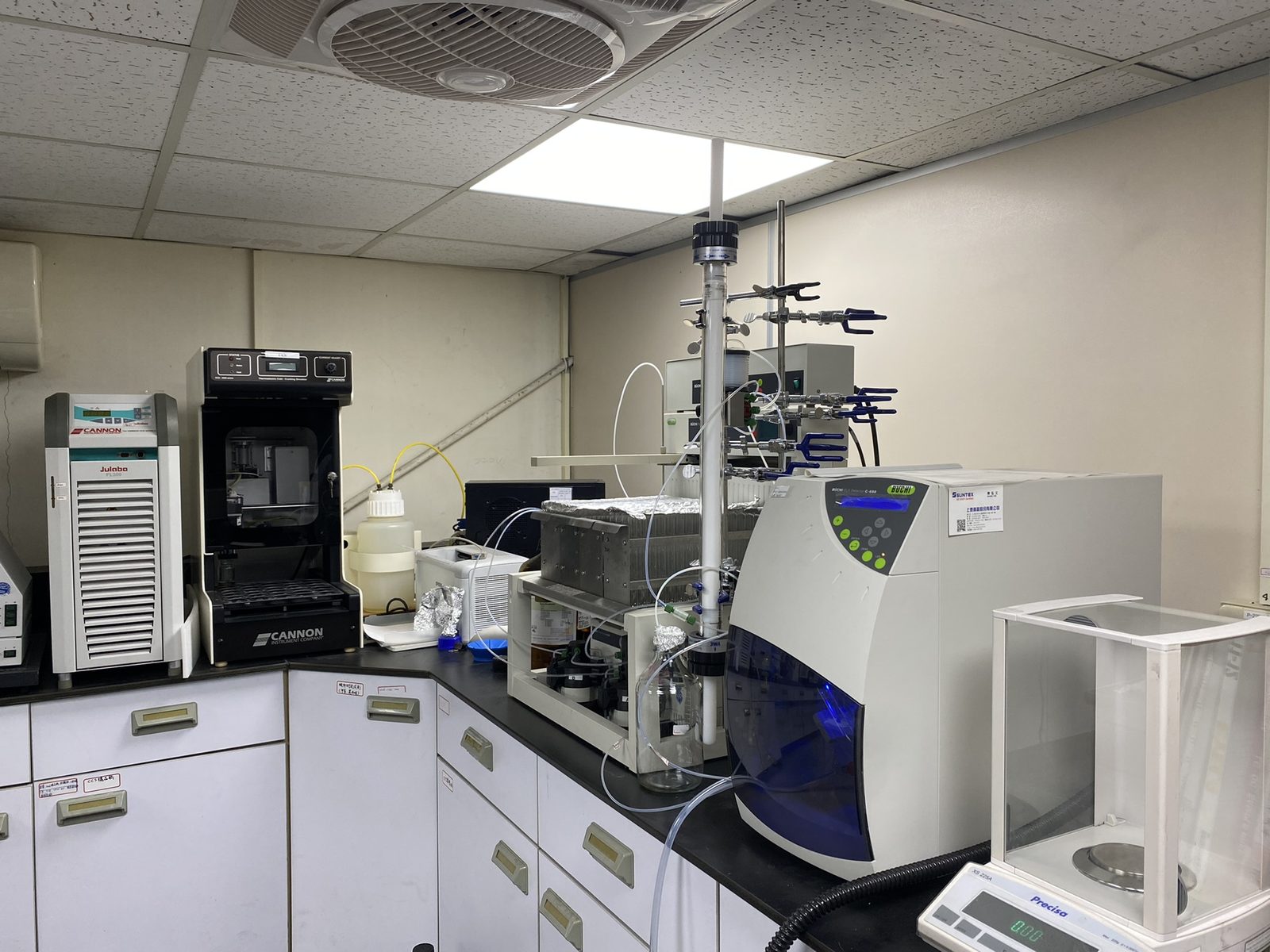
Screening
Used for agreed basic indicators such as viscosity-related checks.
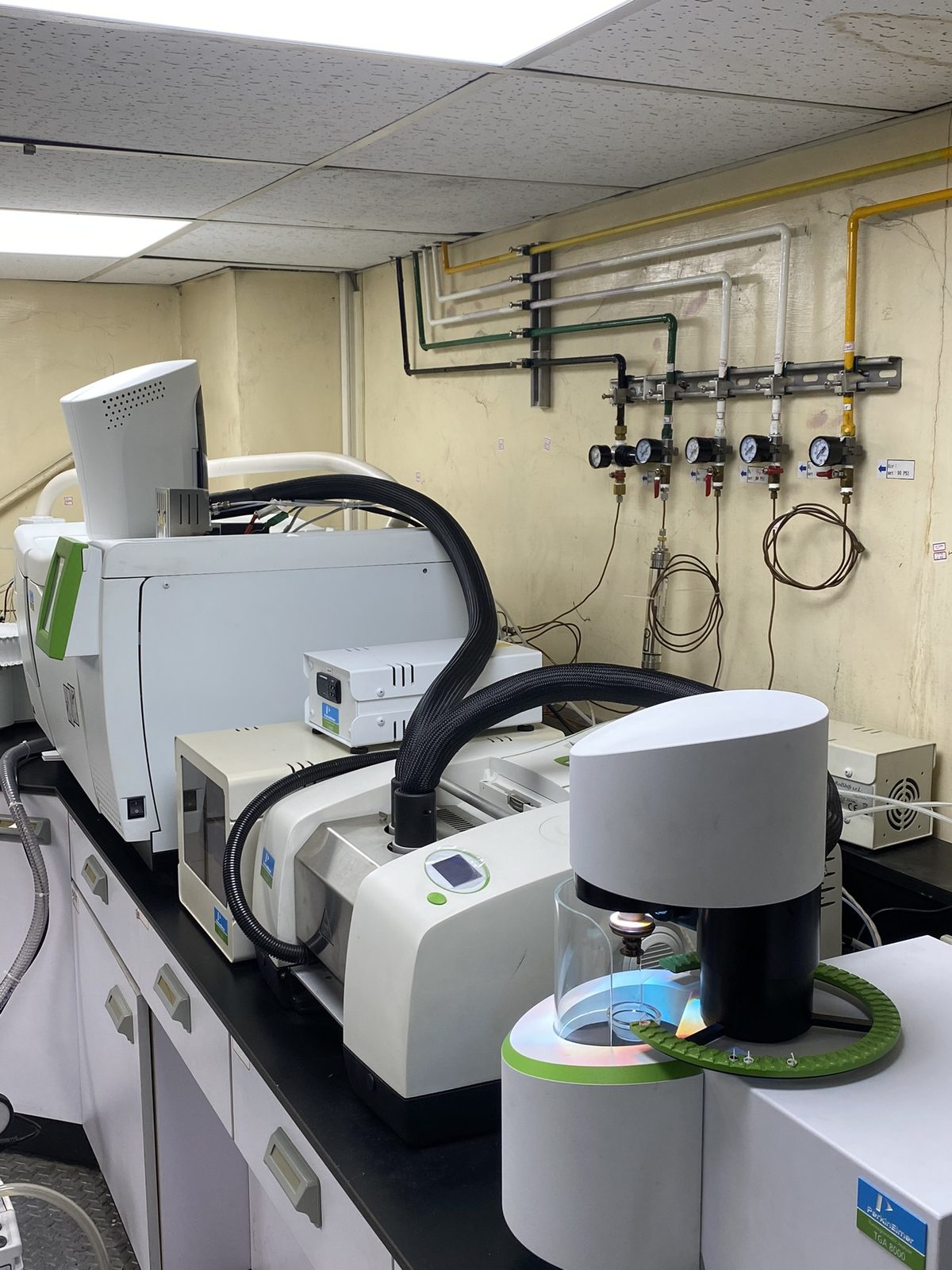
Diagnostic support
Method, location and report format are confirmed during project review.
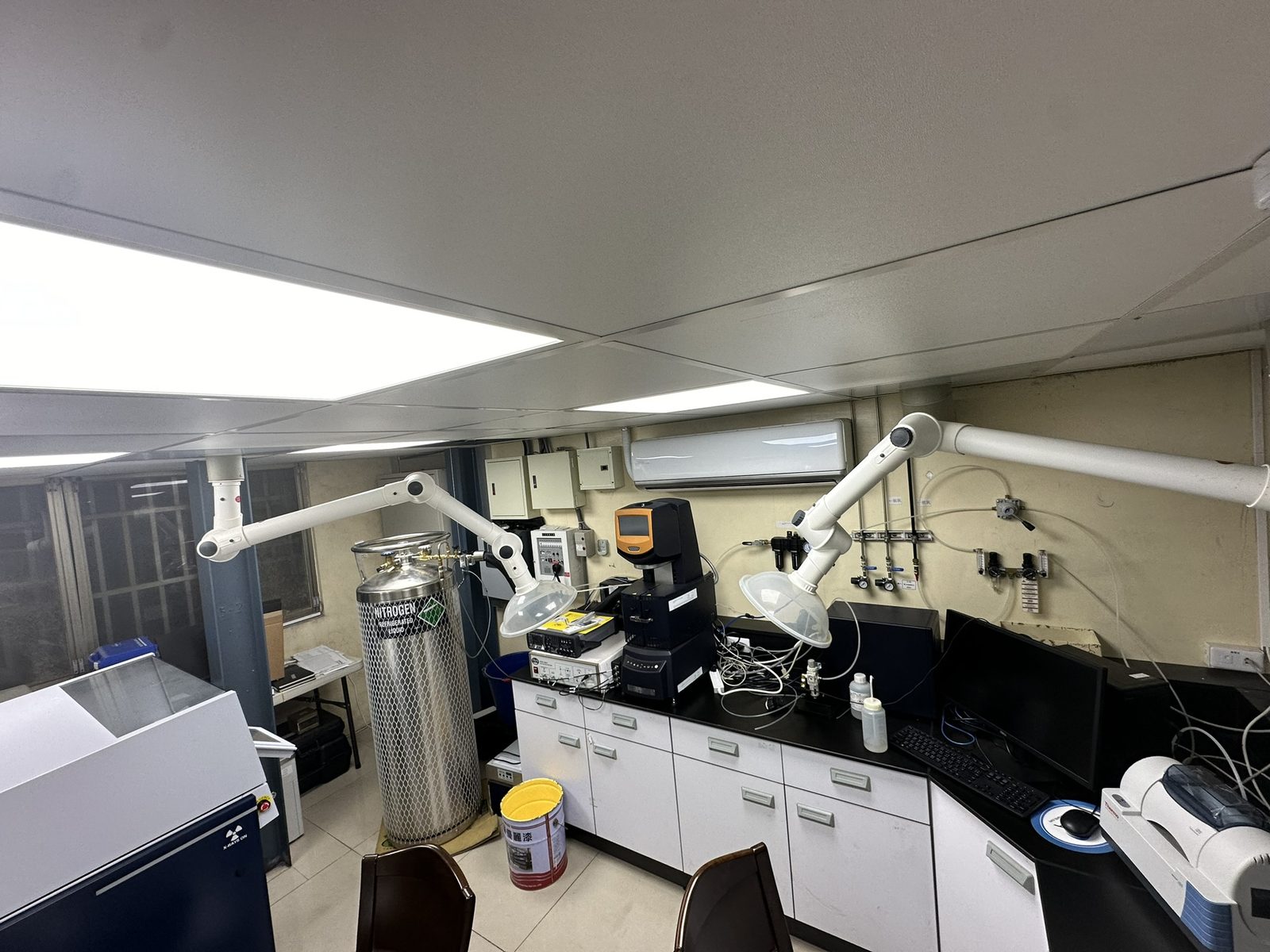
Sample work
Sampling and on-site checks follow the agreed method for that case.
Sample process
Good analysis begins by defining what decision the sample must support.
Describe the equipment, sample, operating condition and question.
Select the useful methods and avoid unnecessary or missing tests.
Ship the sample or discuss representative on-site sampling.
Perform or coordinate tests and review the result in context.
Explain the meaning, recommended action and next sampling point.
Industries served
Not sure what to test?
We will help define a sensible first scope before the sample is submitted.
CFI created one inquiry. Reference: pending. We will follow up using the contact details you provided.
This preview validates the form in your browser but is not connected to Node-RED, ERPNext or an email service. Production enablement requires the approved CFI Inquiry workflow and SDS attachment handling.
Contact CFI